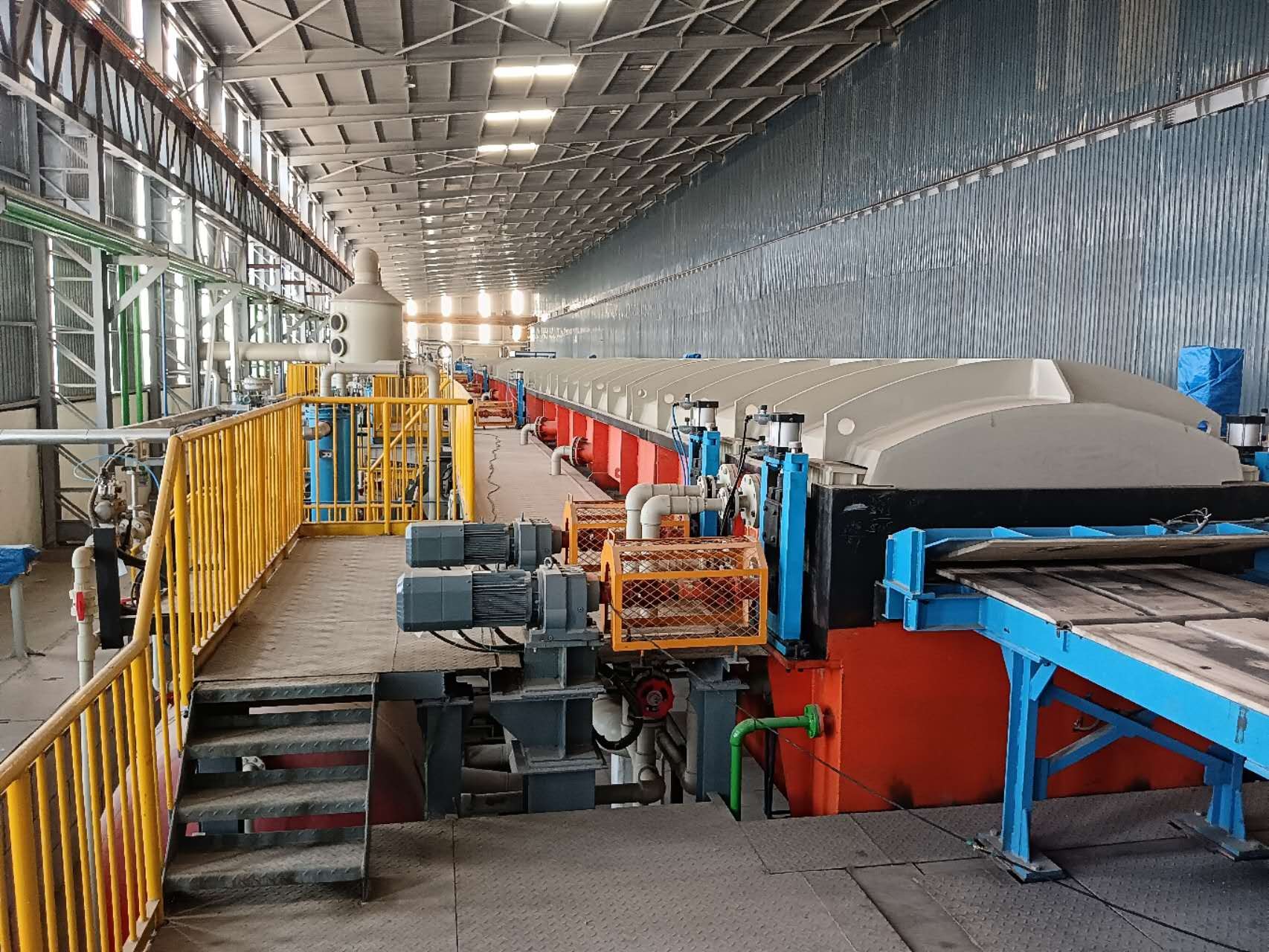
Remove oxide scale from hot-rolled strip before cold rolling, tube making or other downstream processing.
Coil loading, uncoiling and entry handling
Scale breaking or tension levelling and pickling tanks
Rinsing, squeezing and drying
Exit inspection, optional oiling and recoiling
Acid-fume collection and spent-liquid treatment interfaces
Choose push-pull or continuous operation against grades, dimensions, output and scheduling. Welders, accumulators and trimming equipment depend on the selected route.
Information for equipment selection
Steel grades, scale condition and input dimensions
Target output, surface requirements and downstream use
Acid conditions, environmental requirements and site interfaces
Reduce strip to the target gauge with mill and auxiliary systems selected for the material, flatness and production requirements.
Entry and exit recoilers and strip guides
Mill stand, screwdown and roll-changing systems
Main drives, tension and gauge control
Lubrication, cooling, filtration and oil-mist treatment
Thickness gauges, flatness measurement and automation
Calculate capacity against incoming material, finished product and pass schedule before defining the stand type, rolling force, power, speed and controls.
Information for equipment selection
Input and output thickness, width and steel grades
Product program, annual output and pass schedule
Gauge tolerance, flatness, roughness and roll-changing requirements
Remove rolling oil and surface residues before annealing, coating or other downstream operations.
Uncoiling, strip joining and entry tension
Spray degreasing and brushing
Optional electrolytic cleaning
Rinsing, squeezing and drying
Bath circulation, filtration and wastewater interfaces
Combine spray cleaning, brushing and electrolytic cleaning against contamination, cleanliness and the downstream process. The equipment may form a separate line or a section of a main line.
Information for equipment selection
Residual oil and contaminant characteristics
Downstream process and cleanliness targets
Strip dimensions, speed and bath-management conditions
Compare batch and continuous annealing routes against steel grades, mechanical properties, product mix and scheduling.
Bell-annealing bases, inner covers, heating covers and cooling covers
Coil handling and protective-gas systems for bell annealing
Entry equipment, accumulators and furnace for continuous annealing
Heating, soaking, cooling and exit sections for the continuous route
Separate cleaning, temper rolling and levelling equipment as required
Compare batch and continuous routes against order size, mechanical properties, output, building conditions, utilities and expansion plans. Cleaning, temper rolling and levelling retain their separate functions.
Information for equipment selection
Steel grades, end use and mechanical properties
Batch size, product changes and continuous scheduling
Protective gas, energy, land and building conditions
Configure strip cleaning, annealing, hot-dip metallic coating and finishing for the specified substrate and end use.
Entry uncoilers, welder and accumulator
Cleaning, annealing and strip entry to the pot
Coating pot, sink rolls and air-knife systems
Post-coating cooling, optional temper rolling and levelling
Post-treatment, inspection, exit accumulator and recoiling
Galvanizing, aluminium-zinc and zinc-aluminium-magnesium coatings require route-specific engineering. Confirm coating chemistry and equipment suitability; do not assume that every coating uses the same configuration.
Information for equipment selection
Substrate condition, grades, thickness and width
Coating system, coating mass and surface requirements
Annual output, speed, annealing and product standards
Clean, pretreat, coat and cure suitable substrates to produce prepainted coil for the required application.
Entry uncoilers, joining and strip storage
Cleaning, chemical pretreatment and drying
Primer and finish coating systems
Curing ovens, cooling and exhaust treatment
Inspection, optional film application and exit recoiling
Specify coating systems, coating and curing passes, color changes and curing conditions against the product. Evaluate VOC treatment and heat recovery during process design.
Information for equipment selection
Substrate type and surface condition
Paint system, film thickness, colors and end use
Product dimensions, output, energy and environmental requirements
Evaluate skin passing and tension leveling for mechanical properties, surface texture and flatness requirements.
Uncoilers and recoilers or interfaces to the main line
Temper mill and roll-changing system
Tension bridles and tension leveller
Steering, measurement and inspection
Optional trimming, oiling and recoiling
Equipment may be installed online or as a separate line. Temper rolling and tension levelling have different functions; their combination follows product requirements. Recoiling and finishing also relate to the coil-processing business.
Information for equipment selection
Steel grades, strength, thickness and width
Elongation, flatness and surface roughness
Online or offline layout and existing equipment interfaces
Define modernization scope from operating issues, equipment condition, process requirements and production goals.
Uncoiling, recoiling, accumulators and tension systems
Strip steering, guides, drives and controls
Targeted upgrades to cleaning, furnaces, metallic coating or color coating
Utilities, process-media and environmental interfaces
Inspection, data collection and safety interlocks
Check equipment condition, operating data, original designs and the shutdown window before defining the upgrade. Confirm responsibilities and interfaces for acid regeneration, protective gas, exhaust and wastewater systems separately.
Information for equipment selection
Symptoms, frequency and available operating data
Existing equipment specifications, drawings and controls
Upgrade objectives, shutdown time and acceptance method