Soft CRC Product
Restore ductility after cold rolling, then set surface and flatness.
Cleaning may be integrated into the CAL.
FINISHED PRODUCT → PROCESS ROUTE → PRODUCTION LINE
Choose the coil you want to produce. Follow its route from incoming material to finished product, then explore the equipment at each step.
Prepare the substrate, then choose the product route below.
Already have suitable full-hard, annealed or coated coil? Enter at the matching downstream step after confirming its grade, surface and dimensions.
The product determines which lines you need.
Restore ductility after cold rolling, then set surface and flatness.
Cleaning may be integrated into the CAL.
Choose the metallic coating first, then configure the furnace, bath and finishing sections.
Temper rolling, tension leveling and post-treatment can be integrated as required. This route has its own annealing stage.
Coated coil can feed the Color Coating Line → PRE-PAINTED COILAdd the specified paint system to a suitable metallic-coated substrate.
Prepare tinmill blackplate, then apply the electrolytic tin coating.
These routes guide equipment selection. Shared plant use, integrated sections and bypasses are confirmed against the product mix, quality requirements and production schedule.
Open a production line for its process, selection information and photographs. Links in the product routes above open the matching equipment here.
Remove oxide scale from hot-rolled strip before cold rolling, tube making or other downstream processing.
Choose push-pull or continuous operation against grades, dimensions, output and scheduling. Welders, accumulators and trimming equipment depend on the selected route.
Reduce strip to the target gauge with mill and auxiliary systems selected for the material, flatness and production requirements.
Calculate capacity against incoming material, finished product and pass schedule before defining the stand type, rolling force, power, speed and controls.
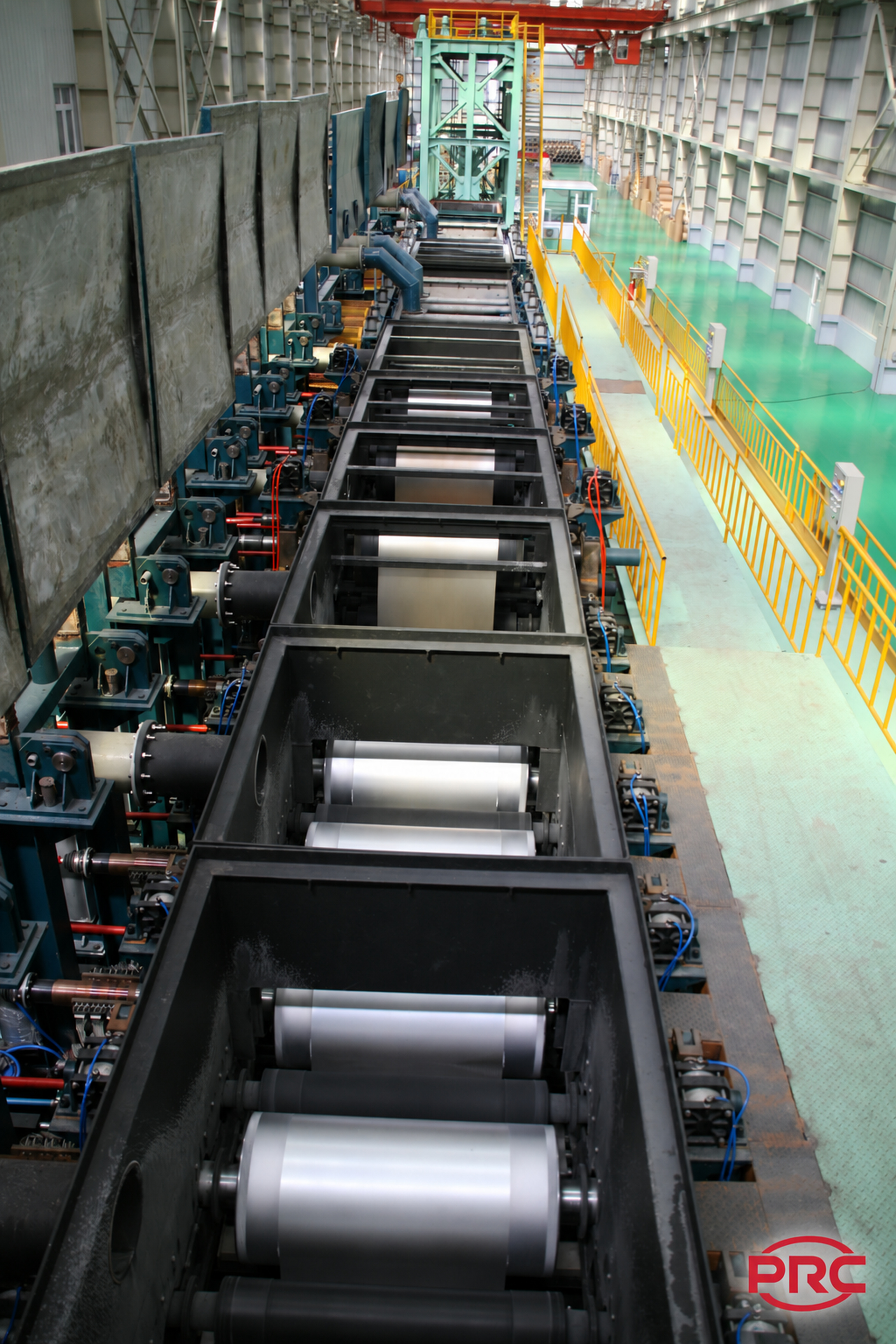
Remove rolling oil and iron fines before annealing. Electrolytic cleaning can be a standalone line or an integrated section of a CAL, selected against surface cleanliness and the downstream product.
For batch annealing, clean the strip in the ECL before the furnace. A CAL can carry its cleaning section inline. Compatible Soft CRC and tinplate schedules can use shared ECL capacity.
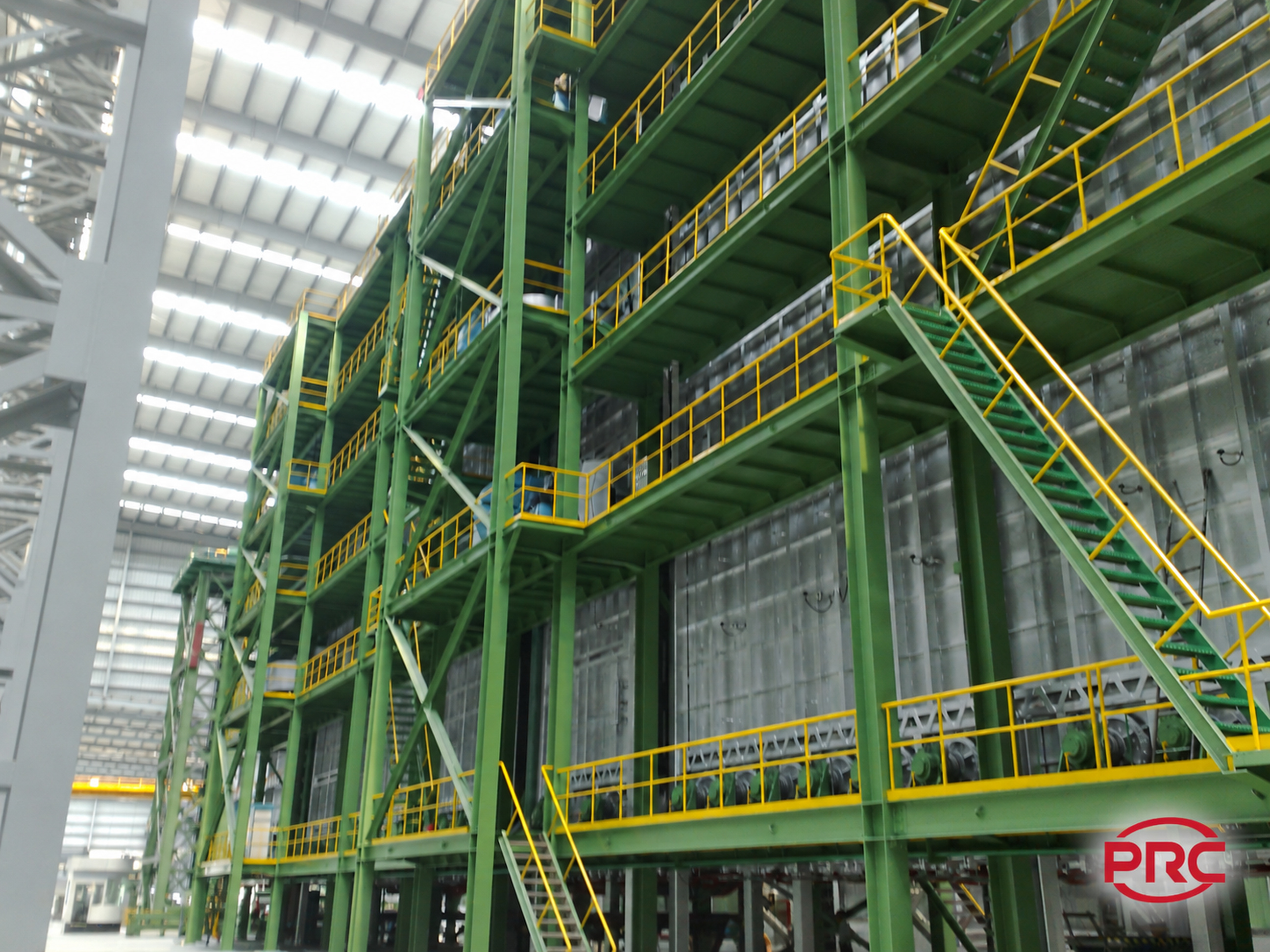
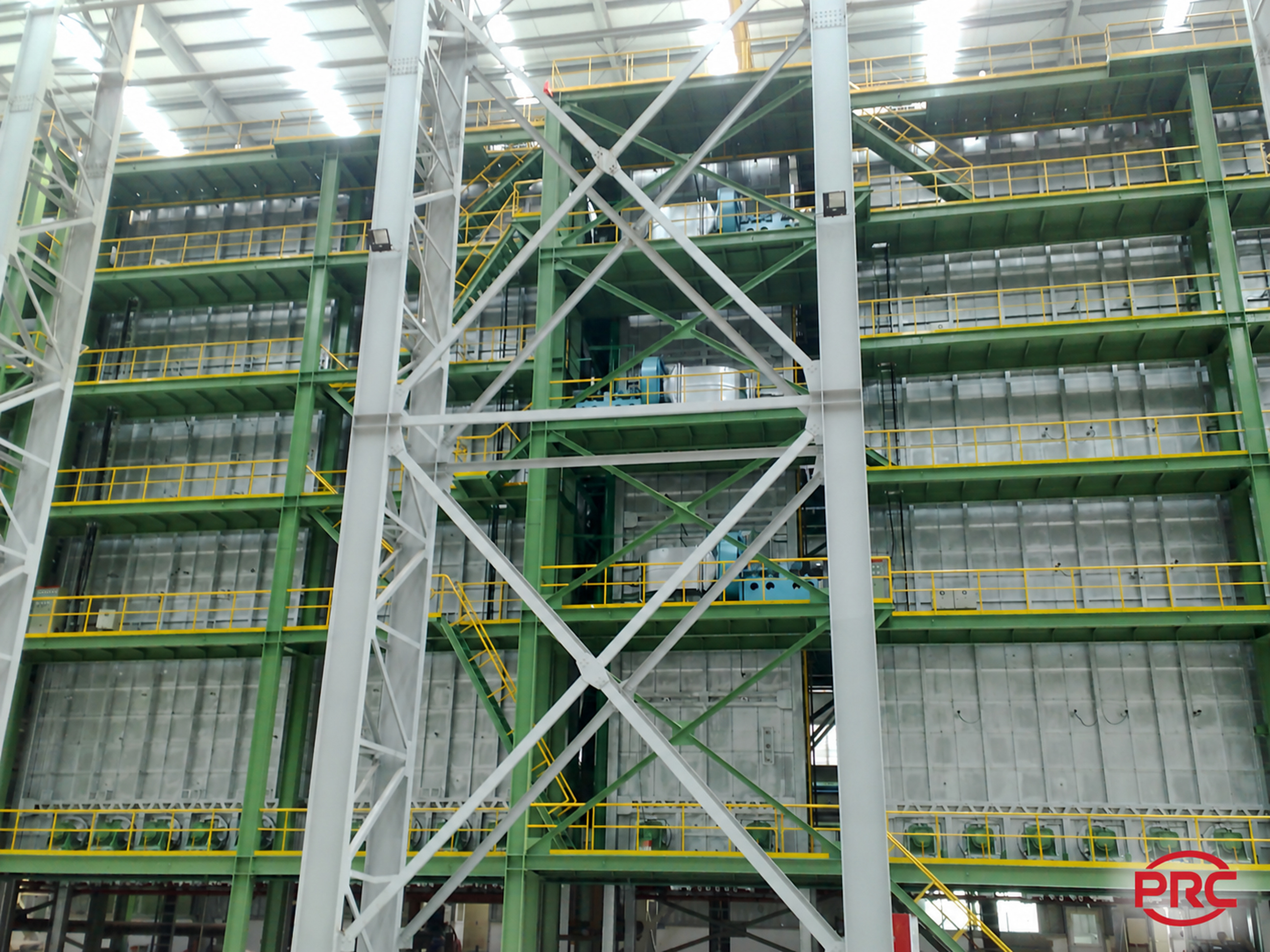
Quick enquiry questionnaire →Annealing of continuously moving strip, configured for the steel grade and product requirements.
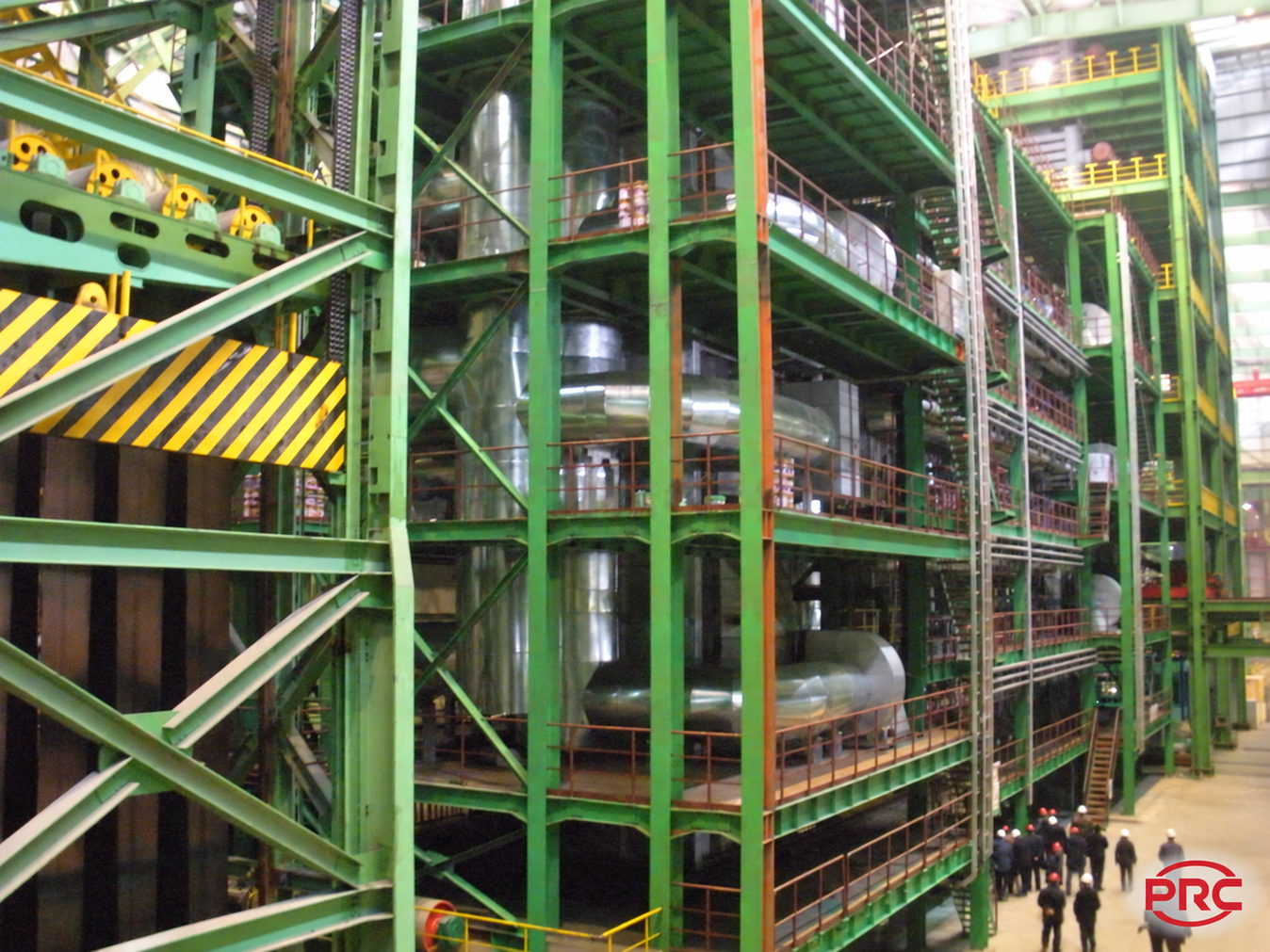
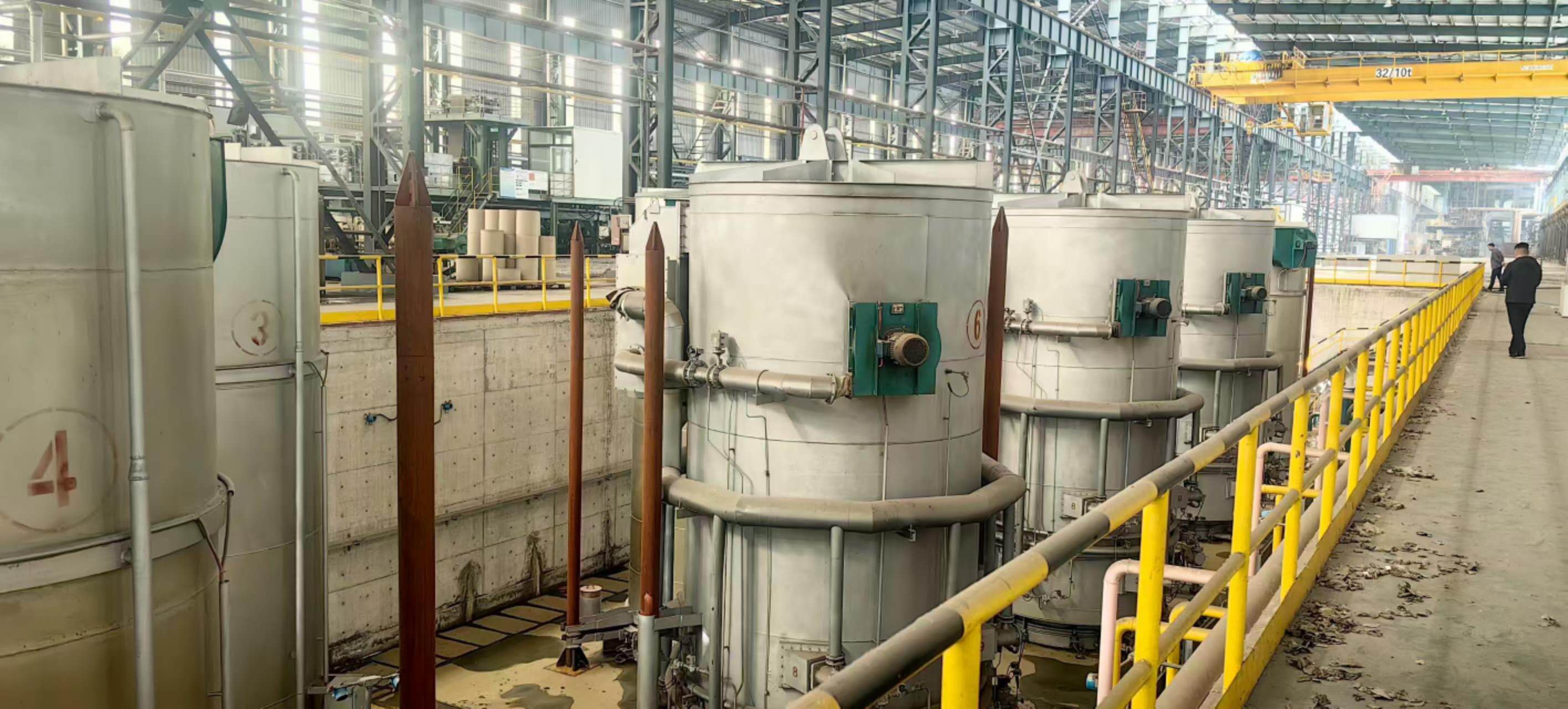
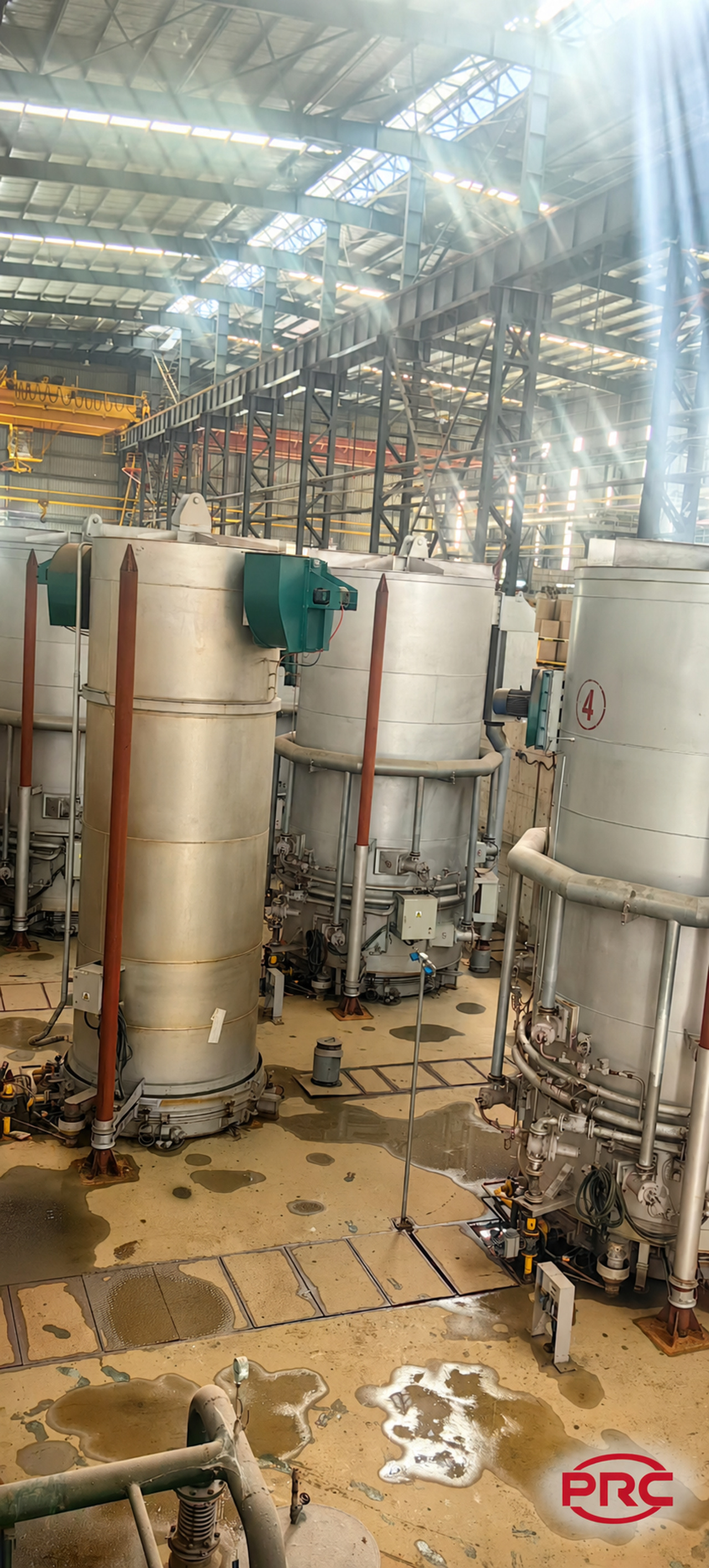
Quick enquiry questionnaire →Batch annealing is an alternative to the continuous annealing route. Select the furnace arrangement for the steel grades, mechanical properties, batch sizes and production schedule.
ECL → Bell Annealing Furnace → Temper Mill → Tension Leveling where required. For tinplate, select the annealing and subsequent temper / double-reduction route against the target grade.
Quick enquiry questionnaire →Configure strip cleaning, annealing, hot-dip metallic coating and finishing for the specified substrate and end use.
Galvanizing, aluminium-zinc and zinc-aluminium-magnesium coatings require route-specific engineering. Confirm coating chemistry and equipment suitability; do not assume that every coating uses the same configuration.
Clean, pretreat, coat and cure suitable substrates to produce prepainted coil for the required application.
Specify coating systems, coating and curing passes, color changes and curing conditions against the product. Evaluate VOC treatment and heat recovery during process design.
Evaluate temper rolling and tension leveling for mechanical properties, surface texture and flatness requirements.
Equipment may be installed online or as a separate line. Temper rolling and tension levelling have different functions; their combination follows product requirements. Recoiling and finishing also relate to the coil-processing business.
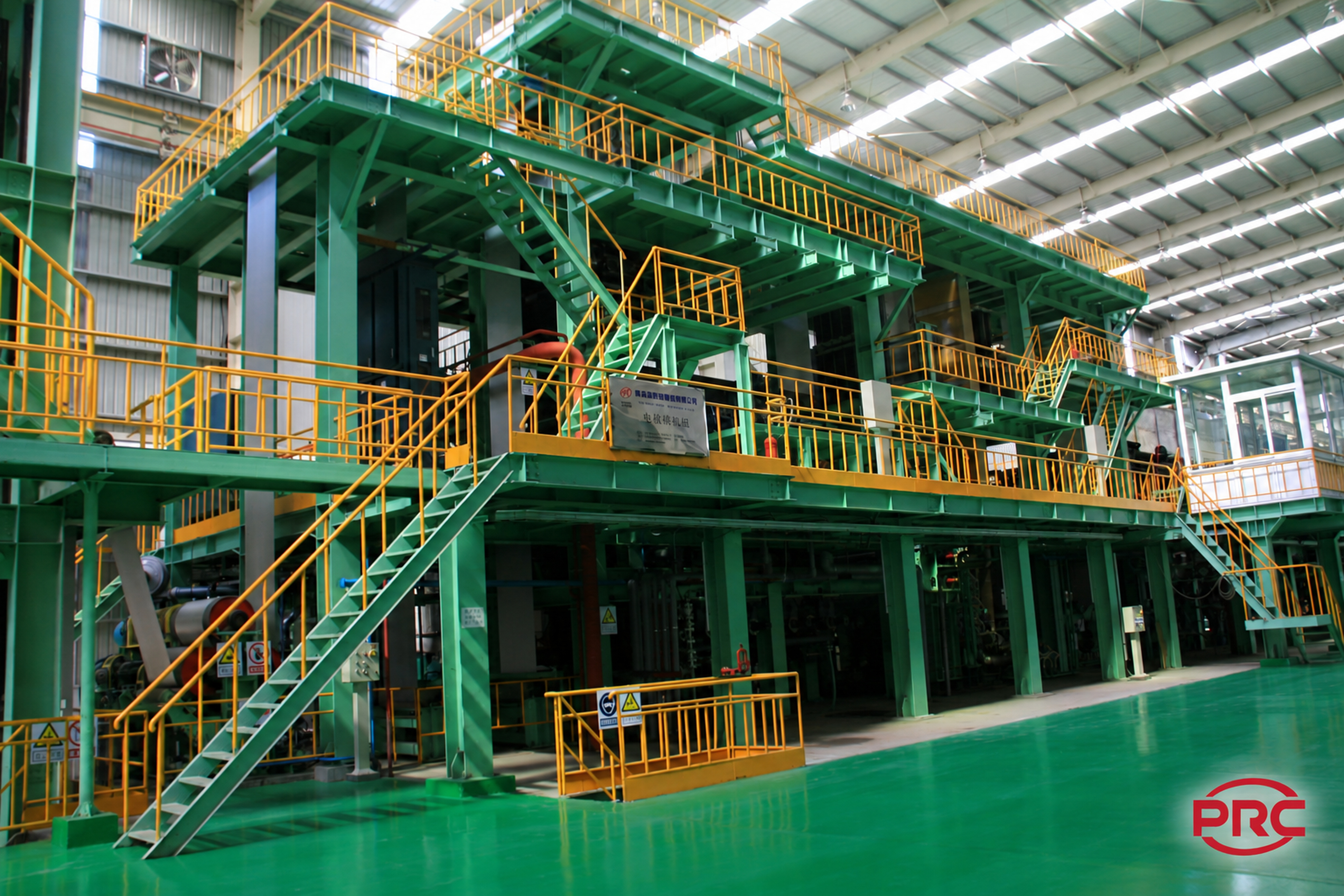
Electro-tinning lines for tinplate, selected against packaging-steel requirements.
Quick enquiry questionnaire →Define modernization scope from operating issues, equipment condition, process requirements and production goals.
Check equipment condition, operating data, original designs and the shutdown window before defining the upgrade. Confirm responsibilities and interfaces for acid regeneration, protective gas, exhaust and wastewater systems separately.